Ceramic coatings present well prep and punish shortcuts. That modern, sweet-shell finish other folks appreciate isn’t magic. It is the conclusion result of cautious vehicle detailing, transparent judgment approximately products and timing, and a willingness to excellent tiny defects you would slightly see less than natural lights. If you intend to use an auto ceramic coating your self, otherwise you choose to choose even if the pro you employed is doing the task properly, keeping off the most regular mistakes matters greater than the model of coating you opt for.
I realized this the gradual way, buffing out hazy patches at 10 p.m. beneath keep lights in view that a neglected step past within the day came returned to chew. This marketing consultant walks via the pitfalls that bring about poor bonding, trapped defects, and premature failure, even if you are chasing a deep glow on a weekend car or wintry weather safeguard for a every single day driving force.
Why surface coaching makes or breaks a coating
Ceramic coatings chemically bond to the transparent coat. They want a clean, oil-loose, slightly sleek floor to anchor into. Anything that sits between the coating and the paint will cut back adhesion. Think wax residues, sharpening oils, road film, rail dust, and silicone dressings. The coating may possibly nonetheless harden, yet this can sit down on correct like a decal as opposed to becoming a member of with the clear coat. That is why the fantastic car or truck detailing crews spend maximum of their time on decontamination and correction, and best a fraction on the really program.
A acceptable prep workflow has three broad phases: cleansing, decontamination, and disorder correction. You might not want all three on a emblem-new vehicle, yet you need to nonetheless evaluation the paint lower than mighty gentle. Many new automobiles arrive with provider-carried out glazes or even exceptional gadget marks from the lot’s prep bay. Skipping this step leaves you with a glittery yet compromised conclude it is challenging to restoration once a coating cures.
Mistake 1: Treating a coating like wax
Wax forgives. Coatings do no longer. A regular misstep is assuming you'll wash, clay, might be hit a short one-step polish, then wipe on a coating the approach you will observe a sealant. The outcomes repeatedly appears to be like important for every week, then water habits dulls and patchiness exhibits up under direct sunlight.
Ceramic coatings desire a surgically refreshing surface, and they telegraph defects more than wax. If you will have ever obvious a covered car with faint holograms under fuel station lights, you're looking at sprucing marks that were sealed in situation. Once cured, a coating is not easy satisfactory that complete correction requires laptop polishing and removing of the layer you simply carried out. That capability misplaced time, added product, and doubtlessly a thinner transparent coat if you get competitive.
The stronger approach is to deal with the prep with the honor you will for a prime-finish paint correction, even supposing the automobile is new or “seems high-quality” to the bare eye.
Mistake 2: Rushing the wash and decontamination stages
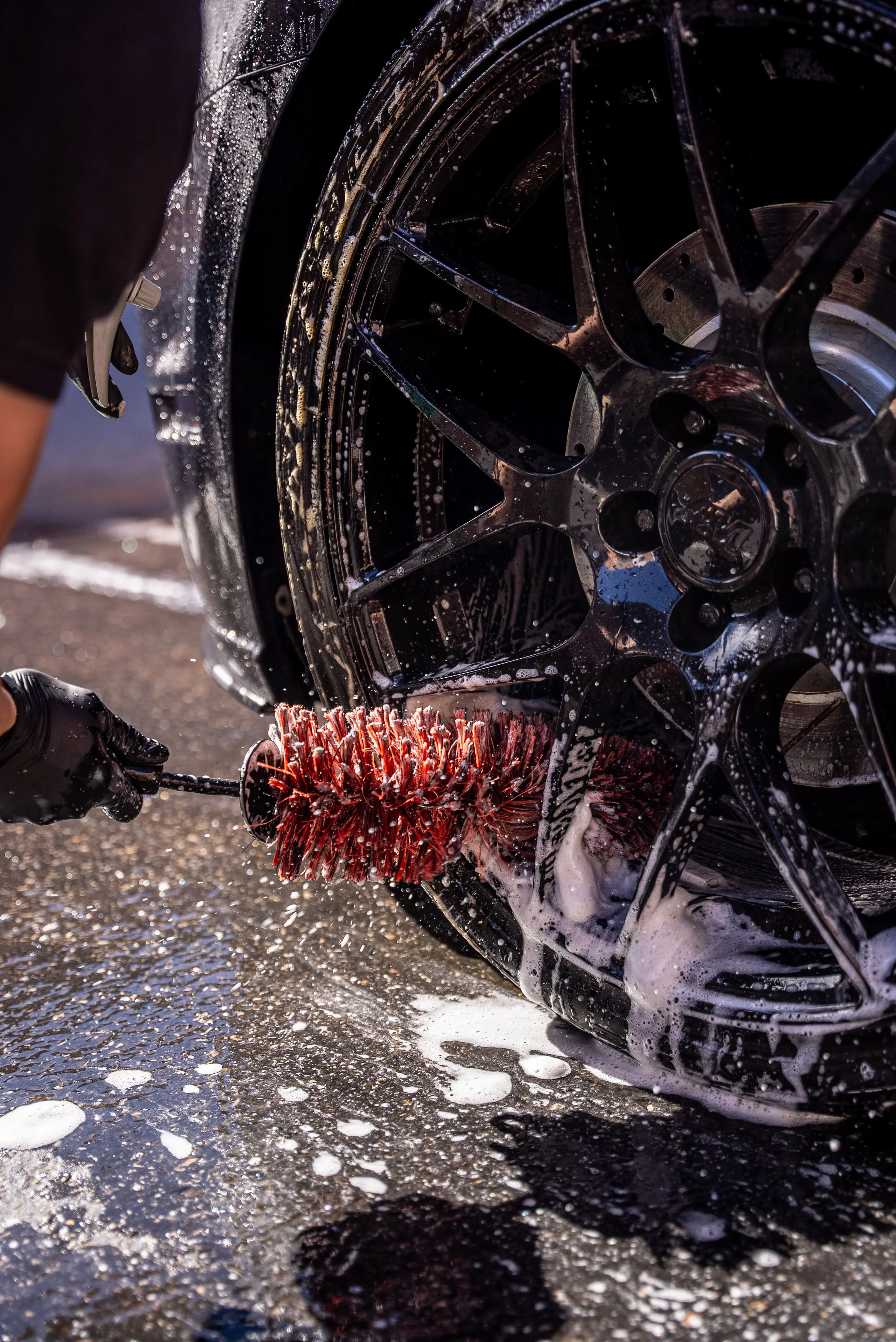
Most employees wash too temporarily and with the wrong cleaning soap beforehand a coating. Standard wash shampoos typically incorporate gloss enhancers or lubricating polymers that leave a thin movie. That movie reduces the chunk a coating desires.
Use a smooth bucket equipment, smooth wash media, and a real stripping cleaning soap or a panel-prep-friendly shampoo. Rinse safely, then decontaminate chemically and routinely. The order issues, and so does touch time. Iron remover could be allowed to stay, however now not dry, on cool panels. Clay may still float on a generously lubricated floor. If clay sticks or chatters, you might be marring the paint.
An example from my shop: a white crossover got here in with embedded rail grime. A two-minute dwell with iron remover became part the automobile crimson, yet any other half of appeared blank. The owner assumed the cleaner 1/2 used to be high-quality. After a moment distinctive application and a smooth clay consultation, the bar nonetheless picked up contamination. If we had rushed, the ones debris could have remained within the transparent coat, and the coating may have locked them in region, most excellent to a difficult feel and reduced hydrophobics.
Mistake three: Claying the comprehensive car without evaluating the need
Clay is a surgical instrument. On seriously contaminated paint, it truly is standard. On pristine or mushy paint, useless claying can create micro-marring that forces further sharpening. Modern paint methods fluctuate generally. Some Japanese finishes mark in the event you have a look at them the inaccurate way. Harder German clears can take more contact.
Test with a dry nitrile glove on a clear, moist panel. If you experience grit, you need decontamination. Start with chemical decon first, then spot clay in simple terms wherein considered necessary. Use a great-grade synthetic clay mitt or bar and a slick lube. Think of clay as a niche treatment, now not a blanket step.
Mistake 4: Using the wrong towels and go-contaminating them
Microfiber isn't always one-length-fits-all. Towels that have been used with detail spray, silicone tire dressing, or inner conditioners can sabotage your closing prep even after washing. Those residues move and may create smearing in the time of panel wipe. Then you wipe harder, create static, and compound the downside.
Keep a committed set of new or coating-most effective towels for panel prep and leveling, and pre-wash or rinse them to eradicate lint. Color-code by way of undertaking. Short-pile, tightly knit towels shed much less and decrease the probability of lint traces inside the coating. If a towel hits the floor, retire it from paint obligation at once. One tiny grit embedded within the fiber can drag a mark throughout a hood that you can see beneath LEDs for years.
Mistake 5: Skipping or underdoing paint correction
Every swirl, haze, and hologram will seem to be worse as soon as coated. That is as a result of the floor will get sharper and extra reflective. Even a unmarried move with a ending polish can make a sizable big difference, nonetheless the optimum consequences aas a rule come from a two-step correction on used cars: a cut, then a refine.
Here is where judgment matters. If your transparent coat readings are skinny, or the vehicle is a day-to-day driving force that lives exterior, you can prioritize a conservative one-step with a decent diminishing-abrasive polish and a medium foam pad. Chase 80 to 90 percent defect elimination and a blank finish in place of 100 percent perfection that charges an excessive amount of clean. If the automobile is a garage-stored weekend toy, and paint readings are match, move deeper.
One caution: do no longer have faith in “filler heavy” polishes until now a coating. They can conceal defects that reappear after panel wipe, or worse, get trapped below the coating and weaken bonding. If you must use a product with oils, allow satisfactory therapy time, then habits an intensive solvent wipe and check up on underneath dissimilar lighting angles.
Mistake 6: Inadequate panel wipe, unsuitable solvents, or deficient technique
Panel wipe isn't really only a short spritz and swipe. The intention is to dispose of sharpening oils, silicones, and any residues devoid of drying the floor or leaving new streaks. Some other people use directly isopropyl alcohol at excessive attention. That might possibly be too competitive, developing micro-cracks in unique plastics and drying the paint, which raises static and lint appeal. Others use a gentle prep spray that leaves surfactants behind. Both are disorders.
Choose a panel wipe designed for coatings, verify it on a small area, and use ample product that you simply are floating oils off the surface in place of smearing them. Work one panel at a time. Wipe in instantly, overlapping motions with the primary towel to damage down residues, then observe all of a sudden with a 2nd fresh towel to gather. Replace towels repeatedly. If you see any rainbowing or hazing after the wipe, repeat. If the paint feels draggy, one could have stripped too rough or now not wholly eliminated oils. Adjust your approach to that end.
Mistake 7: Applying a coating inside the fallacious environment
Temperature, humidity, and airflow alternate the whole thing. Coatings flash sooner in warmness and slow down in cool, damp air. Too scorching, and you'll conflict to degree earlier the product units. Too chilly or humid, and solvents can remain trapped, finest to smearing or tender spots that by no means seem to be to dry.
Control what you'll be able to. A closed garage among kind of 60 and 75 ranges Fahrenheit with slight humidity is a superb window for so much manufacturers. Run a dehumidifier if the air feels thick. Kill lovers that push dirt around, yet hold soft, clear airflow that is helping solvents evaporate. Sweep and blow out the space smartly formerly you get started. Let airborne mud settle. Lay blank mats or paper lower than the vehicle to curb airborne dirt and dust kick-up as you pass.
For vans and SUVs, plan for the excessive roof and the backs of mirrors, in which air currents swirl grime. If you're coating a tall SUV or ceramic coating for my truck in a domicile garage, blank the ceiling fan blades and any overhead garage first. The quantity of lint and grit that falls from forgotten shelves is surprising.
Mistake eight: Over-utilizing product or chasing thick layers
More product does no longer same bigger. Most coatings work most effective in a skinny, even movie. When you lay it on heavy, a couple of issues happen. First, you expand the threat of top spots in which extra drapery treatment options on the surface. Second, solvents take longer to break out, which may in the reduction of premier hardness and regulate water habit. Third, you waste product and make the wipe-off stage tougher, growing danger of marring.
Prime the applicator, then observe a small amount for every phase. You wish a uniform, faintly rainy trail that flashes to a light rainbow within the envisioned time. If you might be fighting to work out the place you may have been, use a low-attitude handheld mild and paintings in small sections. With exercise, you examine your paint’s thirst. Softer or more porous transparent coats can settle for a slightly more, when harder clears may well choose the lightest touch.
Stacking layers can help sturdiness, but purely if the first layer has flashed and set safely. Follow the enterprise’s window. Many specify a brief c programming language, more often than not 30 to 60 mins, for a moment coat. If you wait too long, the primary layer can repel the second one, top to patchy bonding. If you rush, you capture solvents. On exclusive cars, I typically end at one strong layer, then accurate with a like minded spray coating after medication. It presents 80 percent of the receive advantages with out doubling program risk.
Mistake 9: Poor lighting fixtures hides troubles you'll see later
Shop gentle on a stand seriously is not sufficient. You need distinctive mild sources at diversified angles. Cool white LEDs reveal selected defects. Warm halogens show others. Cross-lighting fixtures at low angles will disclose excessive spots and streaks as the coating flashes. Overhead mild tends to hide excessive spots, particularly on light-coloured paint.
Walk round the car slowly after utility with a hand held. Look across panels, no longer straight away at them. High spots seem as boring patches or curved crescents that stand out whilst viewed from the area. Catch them early and a tender buff lifts them cleanly. Miss them, and you are going to be sharpening them off after remedy.
Mistake 10: Not accounting for trim, plastics, and porous materials
Some coatings stain unpainted plastics, rubber, and matte finishes. Mask vulnerable regions with low-tack tape or use a trim-reliable coating designed for the ones surfaces. On older vans with textured bumpers, as an example, a misstroke of paint coating can leave a dark, uneven patch that resists removal.
Likewise, if you happen to plan to coat wheels, glass, or trim, way each with the perfect product and job. Wheel coatings tolerate better heat and brake mud. Glass coatings want squeaky-clean surfaces and most commonly a dedicated glass polish. Trim coatings restore shade but can escalate blotchiness if the substrate is choppy. Treat every one floor intentionally, now not as an afterthought at the same time as your foremost coating bottle is open.
Mistake eleven: Ignoring the therapy window and primary-wash timing
Most coating mess ups I see from DIY jobs appear in the first week, no longer 12 months 3. The coating wishes undisturbed time to crosslink. Water spots, fowl bombs, or computer virus splatter inside the first 24 to 48 hours can etch the nonetheless-comfortable movie. Even dew can leave mineral lines that bond into the coating.
If you do no longer have a easy indoor space for not less than an afternoon, consider significantly about delaying. After application, preserve the automobile interior and dry for the primary 12 to 24 hours if a possibility. Avoid washing for the time the producer recommends, characteristically 5 to 7 days. If the auto will get spotted, use a coating-safe detailer calmly, or more effective, a pure distilled water mist and a sparkling towel to lift the deposits with no rub-drying the floor.
For everyday drivers, plan the calendar. Do not coat the nighttime prior to a highway holiday. For paintings vans, coordinate downtime so that you aren't compelled into rain or dusty sites all over the weak early length.
Mistake 12: Mismatching expectations to the car’s reality
Coatings are wonderful, but they are not drive fields. They reduce attempt, slow down etching, and enrich gloss, but they still desire upkeep. If you follow a top class coating on a motor vehicle that sees gravel roads and automated brushes each week, you'll still get wash marring and chips. Conversely, a cautious owner who hand washes can get immense outcomes with a mid-tier product.
Ask yourself how you operate the car or truck. Ceramic coating for my automotive that lives in the town and parks beneath timber will advantage from greater slickness and less difficult sap removing. Ceramic coating for my truck that tows and parks close process sites needs durable policy cover and user-friendly decontamination more than teach-motor vehicle gloss. That judgment impacts your prep intensity, your option of product, and the way you guard the finish.
Mistake thirteen: Reusing antique applicators and worn-out pads
Applicator blocks and suede wraps are low-cost in contrast to the possibility they carry if infected. Reusing a suede that has fibers hardened with cured coating can score the paint faintly. The similar goes for polishing pads. A foam pad caked with spent polish and clean coat grime will not finish smartly and will create haze that most effective exhibits itself after panel wipe.
Purge your inventory in the past a coating process. Start with refreshing or accurate wiped clean pads matched on your desires. Label applicators all the manningdetailandcoatings.com way through multi-layer purposes so a dropped one does now not sneak returned into service. If you might be detailing multiple trucks, stay coating methods sealed in a easy bin faraway from dressings and aerosols.
Mistake 14: Neglecting edges, logos, and difficult-to-succeed in areas
Edges polish quicker considering the fact that there may be less paint on them, and so they capture residue. If you chase defects on panel edges with the same strain and pad you used on the heart, you chance a strike-by using. Use tape on sharp edges, ease up your strain, and transfer to smaller pads for tight spots.
Around emblems and badges, trapped polish mud is a bond killer. Work these components with a soft brush and panel wipe, then dry with compressed air or a blower to evacuate crevices. On trucks with textured bed rails or step bars as regards to painted panels, sparkling the interface entirely. Grit that shakes unfastened throughout the time of program can land to your contemporary coating and create tiny nibs.
Mistake 15: Forgetting the wash procedure publish-coating
The first wash after the therapy window sets the tone. Choose a pH-impartial shampoo with no gloss enhancers. Enhancers can mute the crisp water behavior you simply paid for. Use plush wash media and a pale touch. The coating’s slickness should still do the heavy lifting, so that you do no longer need force.
Drying issues too. Forced air minimizes contact, principally around mirrors, logos, and trim where water hides. A smooth, smooth drying towel used with a faded mist of distilled water or a coating-risk-free drying assist reduces risk of dragging filth. If you keep the wash activities, the coating stays energetic. Neglect it, and visitors film builds, hydrophobics degrade, and also you begin to believe the coating has failed when it simply wants decon.
A disciplined workflow that avoids the large traps
The genuine steps range with the aid of vehicle, yet a tight collection reduces errors. If you prefer a hassle-free reference that matches on the wall of a home garage, this checklist covers the imperative direction from begin to program:
- Pre-rinse, foam, and contact wash with a prep-friendly shampoo, then rinse fully. Chemical decontamination with iron remover, rinse, spot-tar removing if essential, then mushy spot clay in simple terms where illness is still. Machine polish to your goal point of correction, then blow out cracks and panel gaps to get rid of filth. Panel wipe with a coating-trustworthy solvent, with the aid of two-towel procedure and refreshing, dedicated microfibers. Inspect below mixed lights. Apply coating in small sections in a sparkling, managed ambiance, utilizing skinny, even insurance plan and leveling inside the detailed flash window.
Stick to these 5 beats and also you eliminate most of the people of preventable troubles.
Product determination that suits your process and patience
The the best option ceramic coatings, even if advertised to professionals or DIYers, by and large live inside of identical chemistry households. Differences reveal up in solids content, solvent structures, and consumer-friendliness. High-solids professional coatings can supply dazzling toughness and hardness however call for tight environmental manage and swift, special leveling. DIY-oriented coatings give you extra operating time. That trade-off typically favors the enthusiast running in a abode storage.
Ask your self several questions. How glad are you analyzing flash habits? How stable is your workspace temperature? Do you've gotten a moment set of palms? If your ecosystem is variable and you're new to coatings, favor a product with a forgiving window and a transparent visible cue. If you're coating wheels or calipers, decide formulations made for prime warmth. For trim, use a dedicated trim coating rather than stretching a paint product beyond its lane.
Beware of stacking incompatible chemistries. Topping a ceramic coating with a heavy polymer sealant instantaneously after application can intervene with cure. If you wish further slickness, use the emblem’s very own topper after the endorsed wait, or a light SiO2 spray sealant that plays well with coatings.
Edge instances that deserve one-of-a-kind handling
Not each vehicle fits the ordinary script.
- Single-level paint. Older vehicles without a transparent coat need cautious sharpening and mushy panel wipe. Certain solvents can draw shade and stain towels. Test spot every thing. Fresh repaints. Many frame malls recommend ready 30 to ninety days prior to coating to permit solvents to outgas absolutely. During that window, use a comfortable wax or a mushy sealant once you need to take care of, expertise it can desire elimination previously coating. Matte and satin. Do not polish them the method you polish gloss paint. Use coatings designed for matte finishes, and treat prep as a thorough cleanse in preference to a correction. PPF and vinyl. Some coatings paintings superbly over caliber paint insurance policy movie, improving cleansing while protecting self-recuperation. Others can stiffen the surface. Check compatibility and assurance situations.
A word about reliable help
There is not any disgrace in hiring an experienced car detailer for paint correction even when you plan to use the coating your self. Correction is in which most danger lives. Paying for a strong one- or two-step correction with a cautious hand, then handling the wipe and coating at dwelling house, can be a smart break up. On black vehicles with finicky clear coats, or while time is tight, a full-provider knowledgeable install may well give more desirable fee over the long-term.
When comparing a store, ask about their prep recurring, their lighting, and how they handle the 1st 24 hours of therapy. A excellent keep can give an explanation for why they settle on distinct pads and polishes on your car or truck and could speak you out of useless aggressiveness while clear readings are skinny.
Maintenance mindset that preserves your work
Once the coating is on and cured, prevent a elementary preservation plan. Wash most commonly to avoid traffic film from choking the surface. If water conduct starts offevolved to stupid, use an iron remover as a upkeep decon a couple of times a 12 months, followed via a tender wash. Top frivolously with a well suited spray sealant when you favor another pop. If you spot spotting, cope with it early with distilled water and a mushy towel rather than letting minerals bake within the sun.
Ceramic coatings are not a finish line, they're a multiplier. They multiply the exceptional of your prep, your setting, and your system. Avoid the effortless error, and the coating returns the choose with long-lasting gloss and handy cleansing.
Final rapid reference for distinctive use cases
Car detailing desires range. Here is how I tailor effort to the automobile’s life.
- Daily driving force commuter: One-step polish to clear the paint, a forgiving coating with amazing chemical resistance, and a low-drama repairs wash routine. Focus on easy decon and insurance policy from road dirt. Weekend physical activities vehicle: Two-step correction for depth, skinny and good application in a tightly managed space, and careful early treatment management. Use combined lighting to chase high spots. Top with a light SiO2 spray after treatment for silkiness. Work truck: Efficient decon, concentrated correction on driver-view panels, physically powerful coating on paint and wheels, and a glass coating for elementary rain clearing. Emphasize wash procedure that works in much less-than-most fulfilling environments, like touchless pre-rinses and well-known foam soaks.
If you means your vehicle element with that degree of aim, an vehicle ceramic coating stops being a gamble and becomes a risk-free tool. It turns obdurate filth into speedy rinses, makes rain be just right for you, and continues the finish fair. Whether you are considering ceramic coating for my car or truck to make Saturday washes shorter, or ceramic coating for my truck to live to tell the tale winter salt with out regular scrubbing, the similar concept regulations: respect the prep, and the coating will appreciate some time.
Manning Detail & Coating
1812 W Sunset Blvd #30, St. George, UT 84770
(435) 572-0451